
Where Property Line Markers Fit in a New Garden Plan
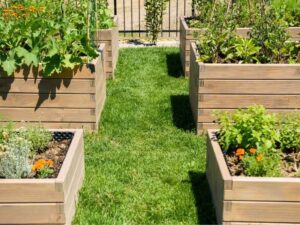
A homeowner sketches out a new garden on a napkin. Raised beds here, a stone path there, maybe a small trellis by the fence. It looks great on paper. Then a neighbor mentions that the fence isn’t actually on the property line. Now the whole plan needs a second look. This is why property line markers matter before the first shovel goes in the ground, not after.
Garden plans feel low stakes compared to a home addition, but permanent features still need a solid boundary reference.
Start the Garden Plan by Locating Existing Property Line Markers
Before drawing bed shapes or picking plants, walk the yard and look for markers. These are usually small metal pins, concrete monuments, or iron rods set into the ground at property corners. Some are flush with the soil. Others poke up an inch or two and get missed under grass or mulch.
Finding these markers early gives a garden plan something real to work from. It’s a lot easier to draw around a known corner than to guess and fix mistakes later. If a marker can’t be found, a metal detector or a call to a local surveyor can help locate it without much cost or delay.
Understand What Property Line Markers Can and Cannot Tell You
Markers are useful, but they don’t tell the whole story on their own. A single pin shows one corner. It doesn’t show the exact line between that corner and the next one, especially on a yard with curves, slopes, or fences that were never quite straight.
Homeowners sometimes find one marker and assume the rest of the line runs straight from there to some landmark, like a tree or a shed. That assumption can be wrong. Lines don’t always follow what looks logical on the ground. Recorded survey documents show the full boundary, and pairing that information with the physical markers gives a much clearer picture than either one alone.
Treat a marker as a starting point, not a final answer.
Plan Permanent Garden Features With the Boundary in Mind
Not every garden item carries the same risk. A few pots on a patio can move anytime. A raised bed built with lumber and screws is a different story. Masonry borders, garden walls, trellises anchored in concrete, and built-in planters all take real effort to move once they’re in.
These permanent features deserve a closer look at the property line before installation. A raised bed built two feet over the line might seem harmless at first. Years later, when a property sells or a neighbor puts up a fence, that small overlap can turn into a real headache.
Movable landscaping carries far less risk. Save the extra boundary checks for anything that involves digging footings, pouring concrete, or setting posts.
Leave Practical Space Between the Garden and the Property Line
Even when a feature technically fits inside the boundary, cramming it right up against the line isn’t always smart. Gardens need room to breathe, both for the plants and for the person maintaining them.
A few feet of clearance near the boundary makes pruning easier. It gives room to walk around beds without stepping onto a neighbor’s grass. It also leaves space for equipment, hoses, and wheelbarrows to pass through without squeezing past a fence post or a stone edge.
This clearance isn’t about legal setback rules for buildings. It’s simply about making day to day garden work less of a hassle. A garden pressed right against the line looks tight and feels cramped to work in.
Recheck the Boundary Before Expanding the Garden Layout
Small garden projects have a way of growing. A few raised beds turn into a full backyard redesign with retaining walls, a paved patio, or a taller fence. Once a project moves from planting to building, the stakes go up.
This is the point to pause and ask whether the original boundary information still holds up. A quick marker check that worked fine for placing a flower bed might not be enough once retaining elements or larger structures enter the picture. Hardscape and fencing projects often require more precise boundary data than a simple garden bed ever did.
Homeowners planning this kind of expansion should treat it as a fresh decision point, not just a continuation of the original garden plan.
For a free land surveying quote, call us at (202) 471-1342 or send us a message by going here.
Posted in Boundary Survey | Tagged Boundary Survey
