
Construction Staking for a New Commercial Loading Area
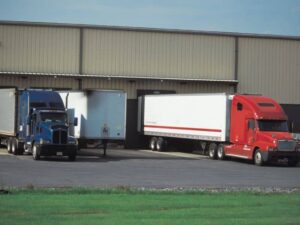
A loading area looks simple on a site plan. There is a rectangle for the dock, a curve for the truck path, and a few lines for curbs. But turning that flat drawing into a real space that trucks can use takes careful fieldwork. Construction staking is what makes that jump from paper to pavement. Getting it wrong can mean a loading dock that trucks cannot use well.
Construction staking puts physical markers on the ground. These markers show contractors exactly where to build. For a loading area, this includes dock edges, curbs, grades, bollards and truck paths. Each one has to line up correctly for the space to work once it is built.
Washington DC has a steady mix of commercial buildings, warehouses and mixed-use projects. All of them need working loading areas. Whether you are building a small retail loading zone or a large distribution dock, accurate staking keeps the project on track and avoids costly rework.
Translating Loading Area Plans Into Field Stake Locations
A loading area design starts as lines and numbers on an engineering drawing. Construction staking turns those numbers into real points in the field that a crew can build from.
A survey crew takes the coordinates from the site plan. They find these exact spots using GPS equipment or a total station, which is a precise measuring tool. Each stake or marker ties to a specific point on the plan, such as a dock corner, a curb line or a grade height. The crew also marks reference points. This way, the layout can be checked again later if a stake gets knocked out of place during construction. This happens often on active job sites.
Getting this translation right matters. A loading area has less room for error than open pavement. Truck paths, dock heights and turning space all depend on stakes being set at the correct spot and height.
Staking Dock Aprons, Curbs, and Truck Maneuvering Areas
The dock apron is the paved area right in front of a loading dock. This is where trucks back in and park. Curbs mark the edges of drive lanes and walking areas. Both need accurate staking so trucks have enough room to move without hitting a curb or another vehicle.
Construction staking for this part of the project usually covers:
- Dock apron limits and slope points
- Curb lines along drive aisles and parking areas
- Turning space points for trucks
- Drive lane widths for two-way or one-way truck traffic
Large trucks need more space to turn than cars. If curb lines get staked too tight, trucks may struggle to back into the dock. This can cause delays and safety problems once the building is in use. Ask your engineer about truck turning space needs before staking begins. This helps avoid the problem.
Controlling Grades Around Loading Bays and Pavement
Grading around a loading dock is not just about looking flat. It controls how water drains, how trucks approach the dock and whether the dock height lines up correctly with a trailer bed.
Construction staking includes grade stakes. These show contractors the exact height to build to at key points around the loading area. This includes the slope leading up to the dock, the pavement around it and any drainage points nearby.
Getting the grade wrong near a loading dock can cause real problems. Water pooling at the base of a dock can damage pavement over time and create a safety hazard for workers. A dock apron that slopes the wrong way can make it hard for trucks to back in safely. Washington DC has a mix of older and newer development, and drainage conditions can be very different from site to site. Grade staking should match the real conditions of each site, not a standard guess.
Coordinating Bollards, Islands, and Other Site Improvements
Loading areas often include smaller site features that still need to be placed with care. Bollards are posts that protect building corners and dock equipment from truck impacts. Islands separate traffic lanes or hold landscaping. Both need to be staked to match the larger loading area layout.
Coordinating these features with construction staking helps avoid a common problem. A bollard or island placed slightly off can end up blocking a truck’s turning path or sitting too close to a dock door. Checking these smaller pieces against the full loading area plan, not just on their own, catches this kind of problem before concrete gets poured.
Checking Loading Area Layout Before Final Construction
Before a contractor pours concrete or lays final pavement, it helps to check the staked layout against the approved site plan one more time. This catches mistakes while they are still cheap to fix.
A check before construction usually confirms:
- Dock apron size matches the approved plan
- Curb lines and truck paths give enough turning space
- Grades drain correctly and meet dock height needs
- Bollards and islands do not block truck movement
Rules for this kind of check can be different depending on the city, the project size and any special permit conditions. Ask your local government and project team what is required before construction begins. This helps you avoid a delay caused by a layout problem found too late.
For a free land surveying quote, call us at (202) 471-1342 or send us a message by going here.
Posted in Construction survey | Tagged Construction survey
